
medigo

Genetic Basis of Pediatric Disorders: Causes, Diagnosis, and Management
11 Aug, 2026

Genetic Basis of Pediatric Disorders: Causes, Diagnosis, and Management

Genetic factors play an important role in many pediatric disorders. Children can develop health conditions because of changes in their genes, chromosomes, or the way genetic information is expressed. Some genetic disorders are inherited from parents, while others occur because of new genetic changes that are not present in either…
5
11 Aug, 2026

Adaptive Equipment for Physically Challenged Children: Types, Benefits, and How They Support Independence

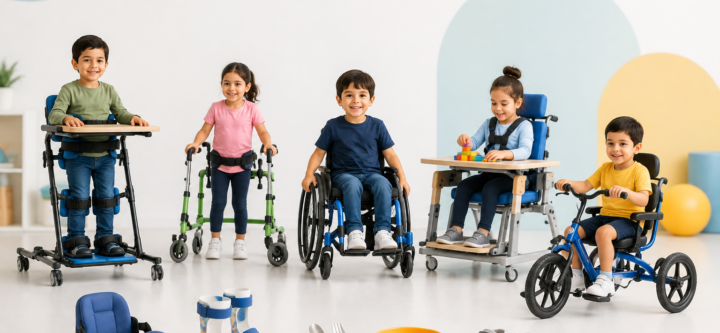
Adaptive equipment for physically challenged children can play an important role in improving mobility, participation, safety, and independence. Children with physical disabilities, developmental conditions, neurological difficulties, or movement limitations may require additional support to participate in everyday activities. Adaptive equipment is designed or modified to help children perform activities that…
4
11 Aug, 2026

Motor Learning Process: Theory and Techniques in Pediatric Physiotherapy

Motor learning is the process through which a person develops or improves movement skills through practice, experience, feedback, and adaptation. In children, motor learning plays an important role in developing skills such as sitting, walking, running, jumping, reaching, writing, throwing, and participating in sports. For pediatric physiotherapists, understanding the motor…
3
11 Aug, 2026

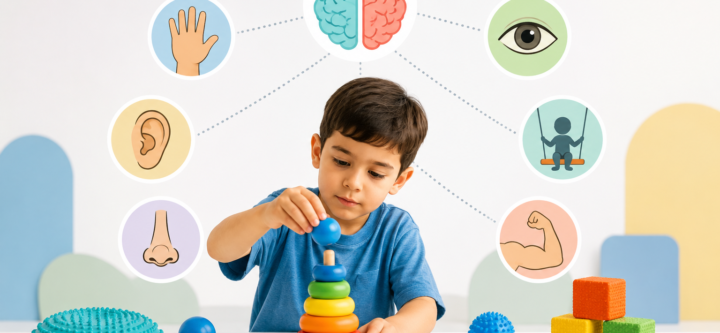
Disorders of Perception and Sensory Integration: Understanding Sensory Processing in Children

Disorders of perception and sensory integration can affect how children receive, organize, interpret, and respond to information from their surroundings and their own bodies. Sensory information comes through different systems, including touch, movement, vision, hearing, taste, smell, and body awareness. For most children, the brain automatically processes these sensations and…